- PRODUCT PARAMETERS -
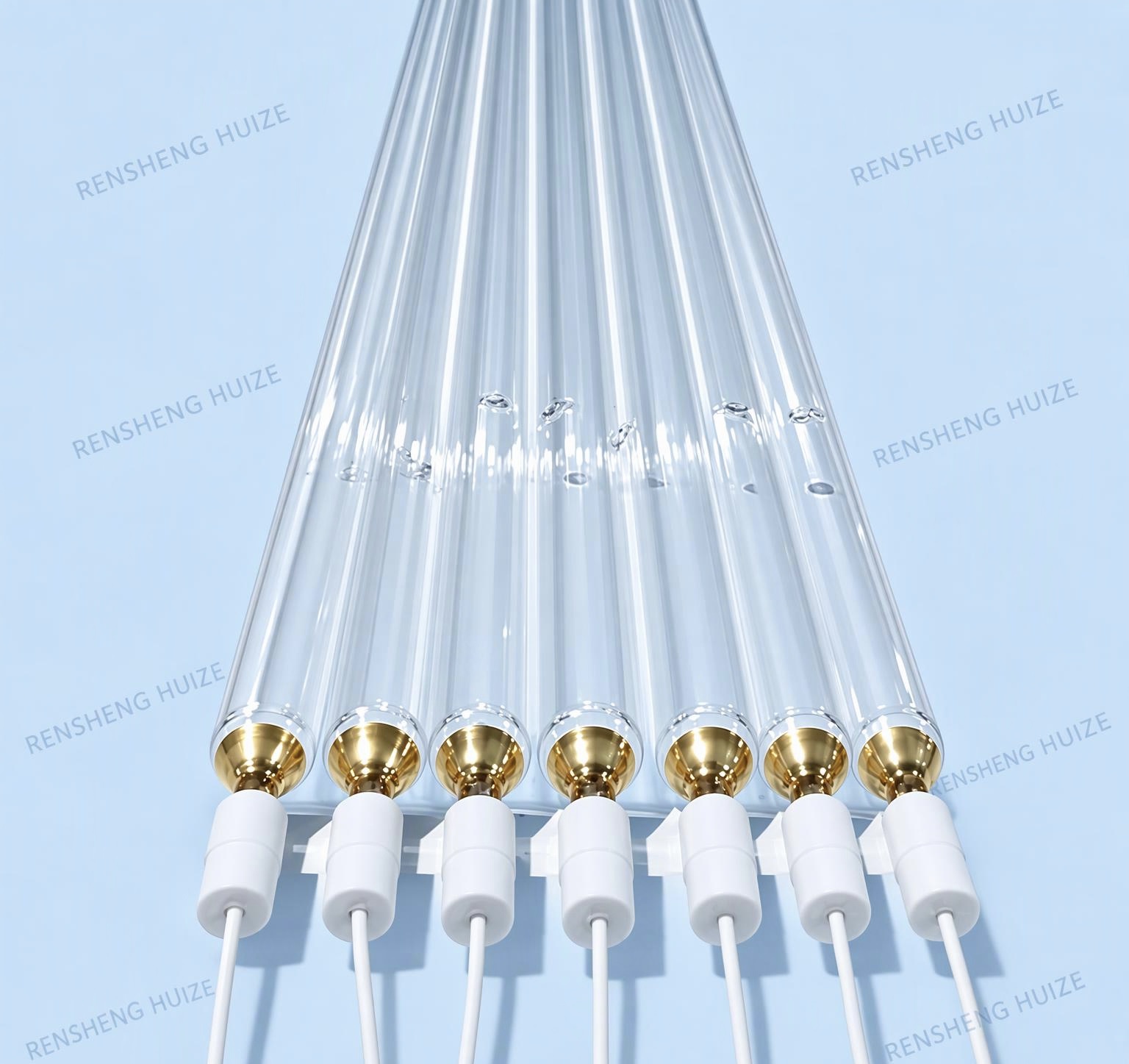
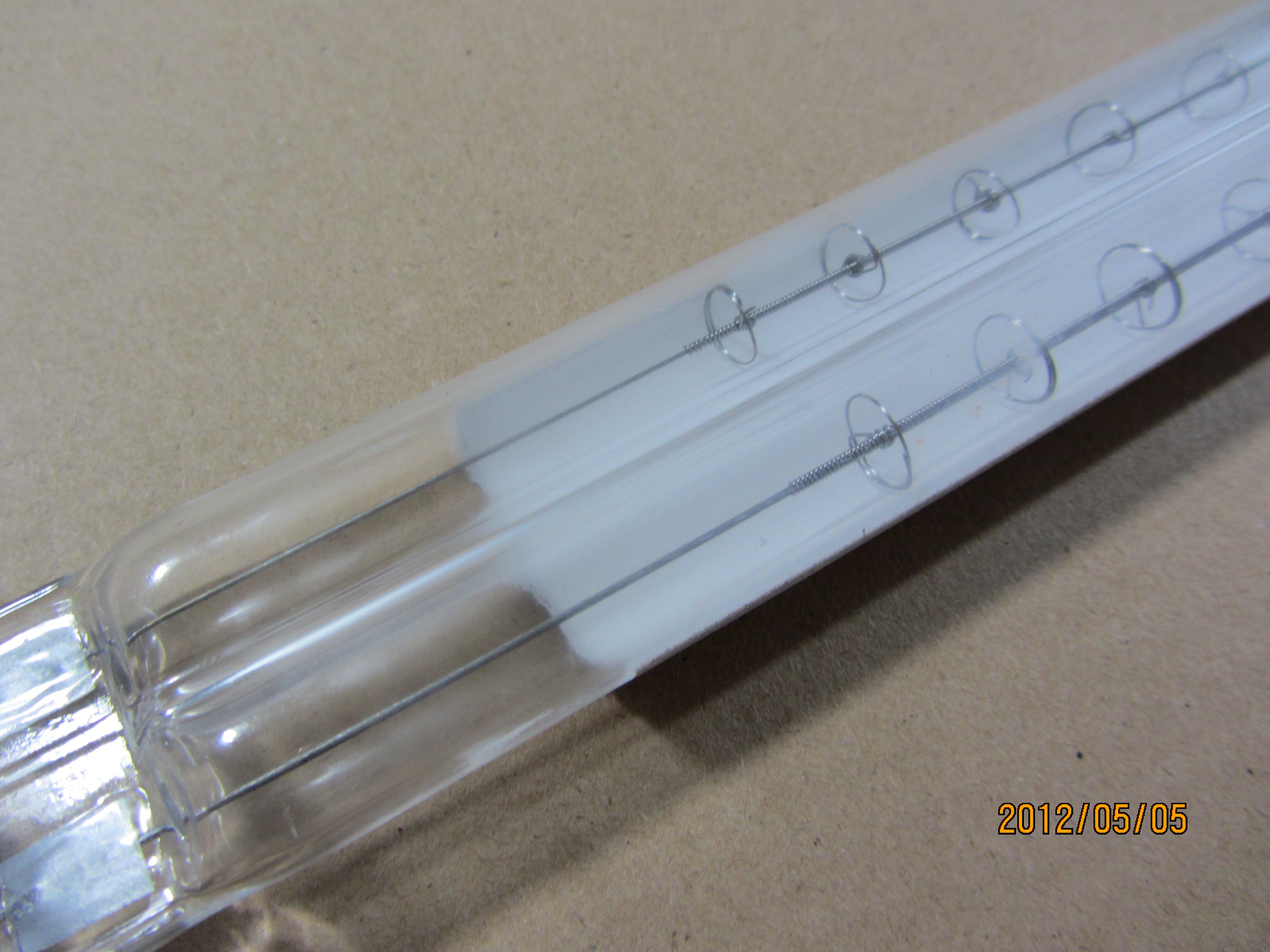
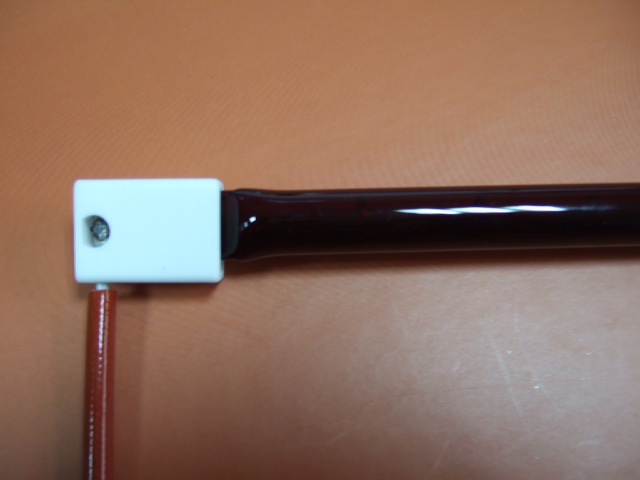
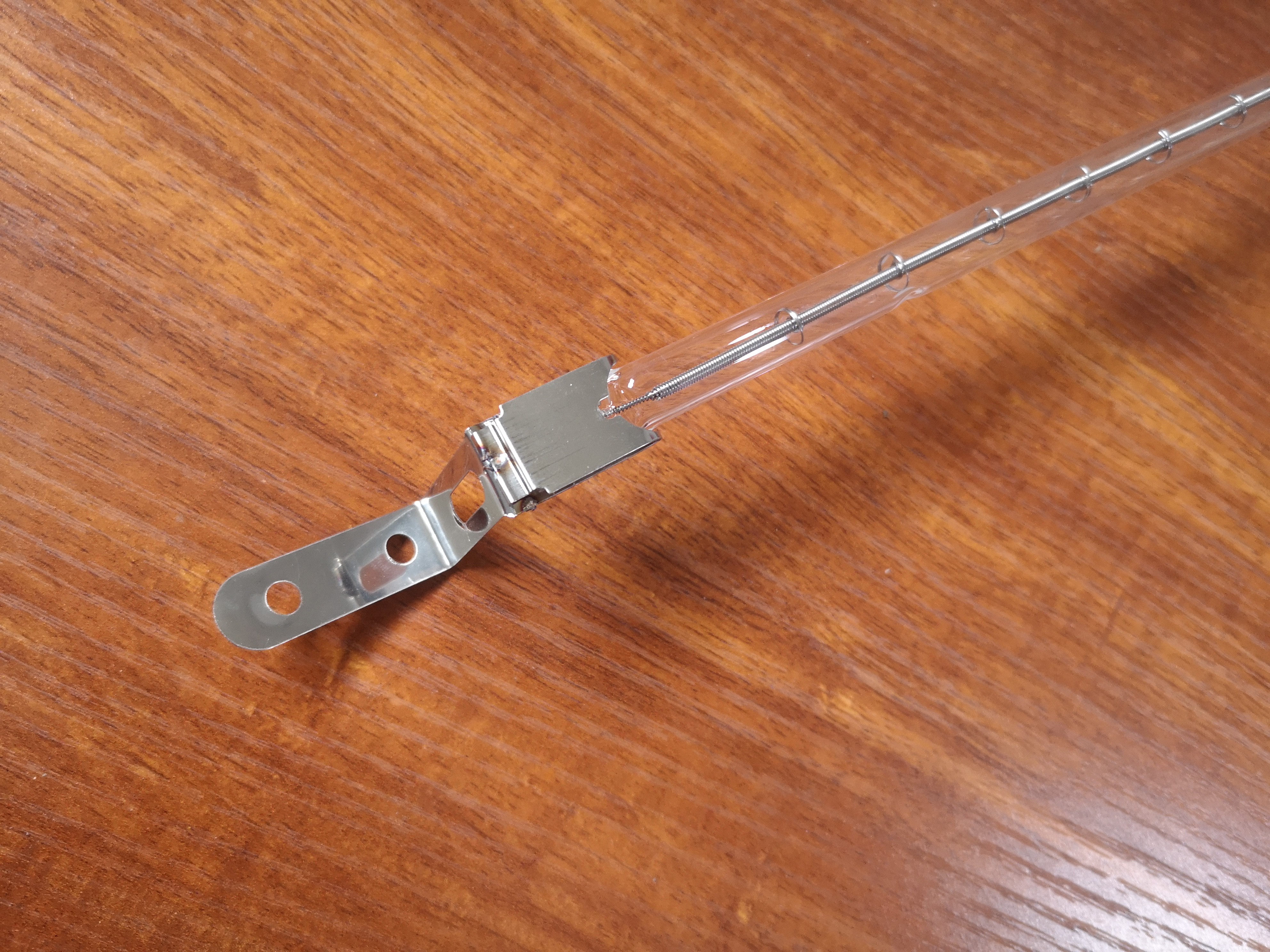
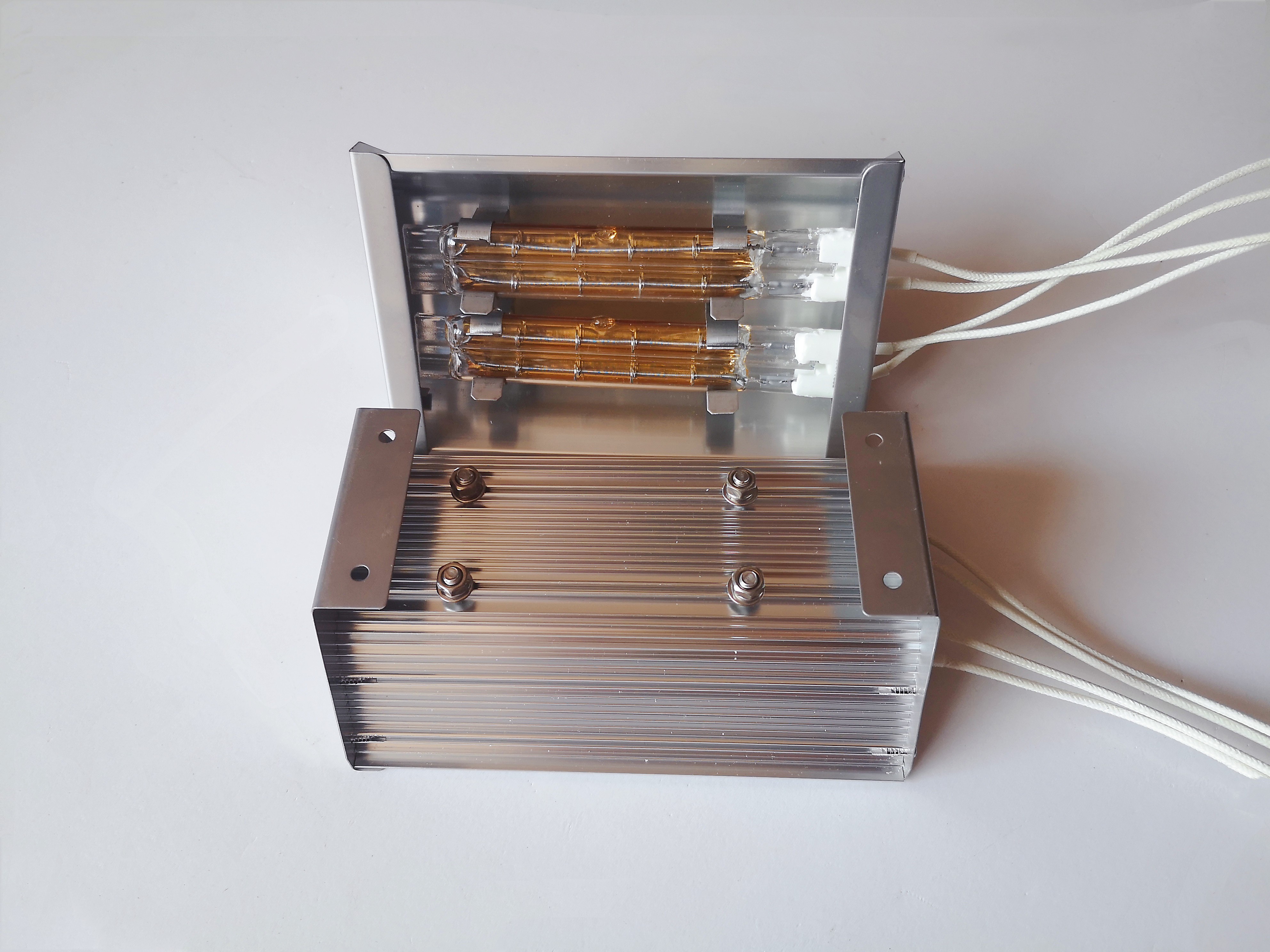
Short-wave infrared heating tubes—also known as halogen heating tubes—utilize a tungsten filament as the heating element, enclosed within a quartz glass tube filled with halogen gas. Because the infrared radiation emitted by these tubes falls within the 0.75–2 μm wavelength range, they are referred to as short-wave infrared heating tubes, high-intensity infrared heating tubes, or, more commonly, near-infrared heating tubes.
These tubes primarily transfer heat via radiation, heating objects directly without warming the surrounding air; they can even heat objects in a vacuum environment. This eliminates the heat loss that typically occurs between the heat source and the target object in conventional heating methods.
Consequently, when using high-temperature radiant elements—where the wavelength is matched to the target—thermal efficiency is maximized as the temperature increases. In this state, the radiation spans the full spectrum and is characterized by high energy and high intensity; this process is known as "high-intensity infrared heating," and the components themselves are called "high-energy, full-spectrum infrared heaters." In essence, "high-intensity infrared" refers to a technology characterized by high energy, high density, and high intensity, capable of full-spectrum, instantaneous-start infrared radiation.
1. Key characteristics include:
1.1. Stable electrical performance and power output, with rapid temperature rise; however, they produce a high luminous flux, resulting in intense, glaring light.
1.2. The light emitted by halogen heating tubes consists primarily of visible and near-infrared light, with over 84% of the radiation concentrated in the 0.75–2 μm wavelength range.
Characteristics of high-intensity infrared heating tubes:
1. These tubes utilize a radiant element made from high-temperature-resistant rare metals. By adjusting parameters such as the cross-sectional dimensions, length, and winding configuration of the heating filament, or by modifying the composition of the inert gas, it is possible to generate infrared radiation at specific wavelengths tailored to the requirements of different target objects. 2. Upon energization, the element emits infrared radiation at specific wavelengths, characterized by high intensity, high thermal efficiency, and low energy consumption—achieving thermal efficiency of over 80%.
3. With minimal thermal inertia, the element reaches 50% of its rated power within 0.8 seconds, 80% within approximately 1 second, and full power within about 2 seconds, allowing for rapid and precise temperature adjustments (both heating and cooling).
4. The heating tubes are cost-effective and long-lasting; those rated below 2000W have a continuous service life exceeding 5000 hours under rated operating conditions, while those rated above 3000W have a service life exceeding 3000 hours.
5. Easy to control
Leveraging the rapid response time and the low thermal inertia of high-quality quartz tubing, the heating process can be controlled quickly and accurately. Power output can be adjusted anywhere from 0% to 100%, enabling precise temperature control for specific heating applications or modules.
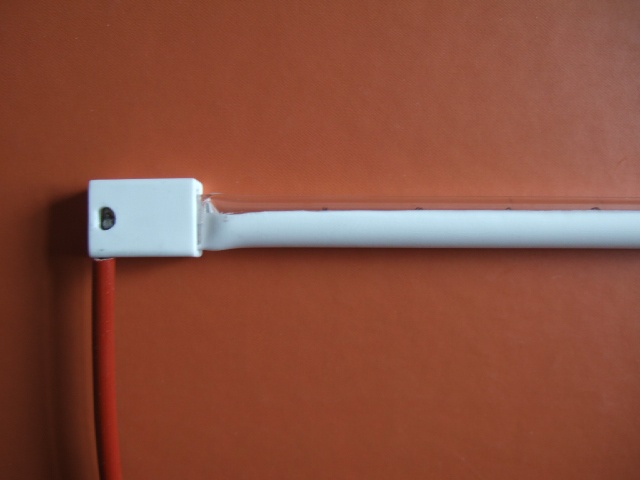
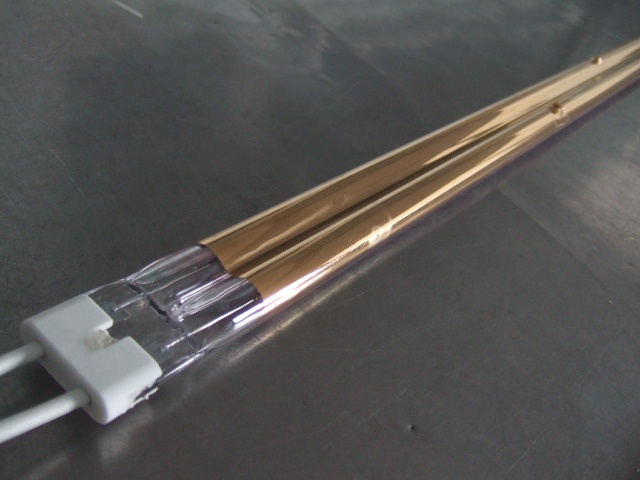
6. Applying a coating of rare metals—such as titanium or gold—to specific sections of the outer tube surface creates a directional reflective layer, which significantly enhances heating efficiency and lowers the temperature of the external reflector.
5.1 Full-surface coating (360-degree coverage of the heating tube).
5.2 Partial-surface coating (180-degree coverage of the heating tube).
White (reflective) coatings can increase emissivity by approximately 70%, while gold coatings can improve reflection efficiency by about 90%.
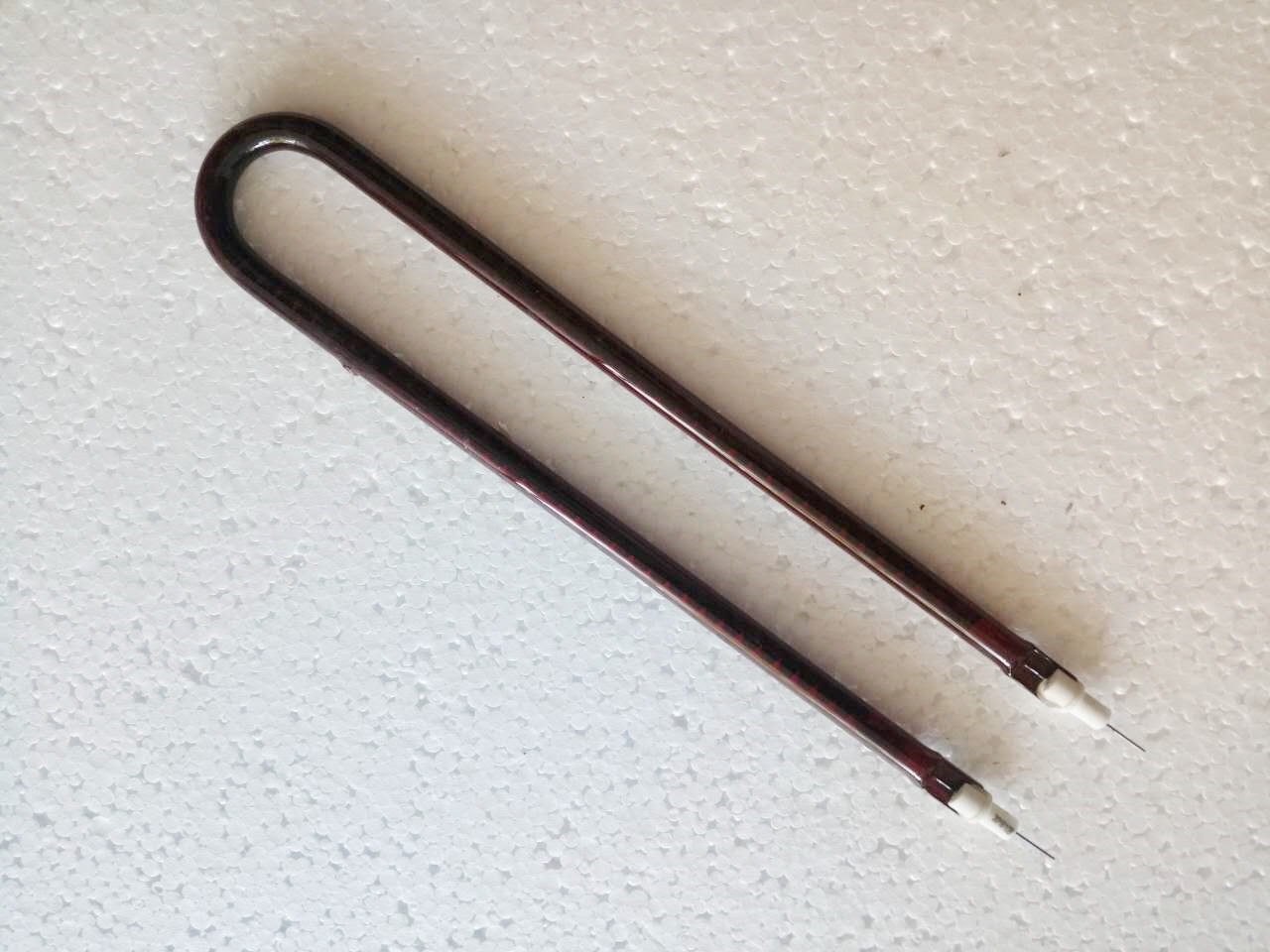
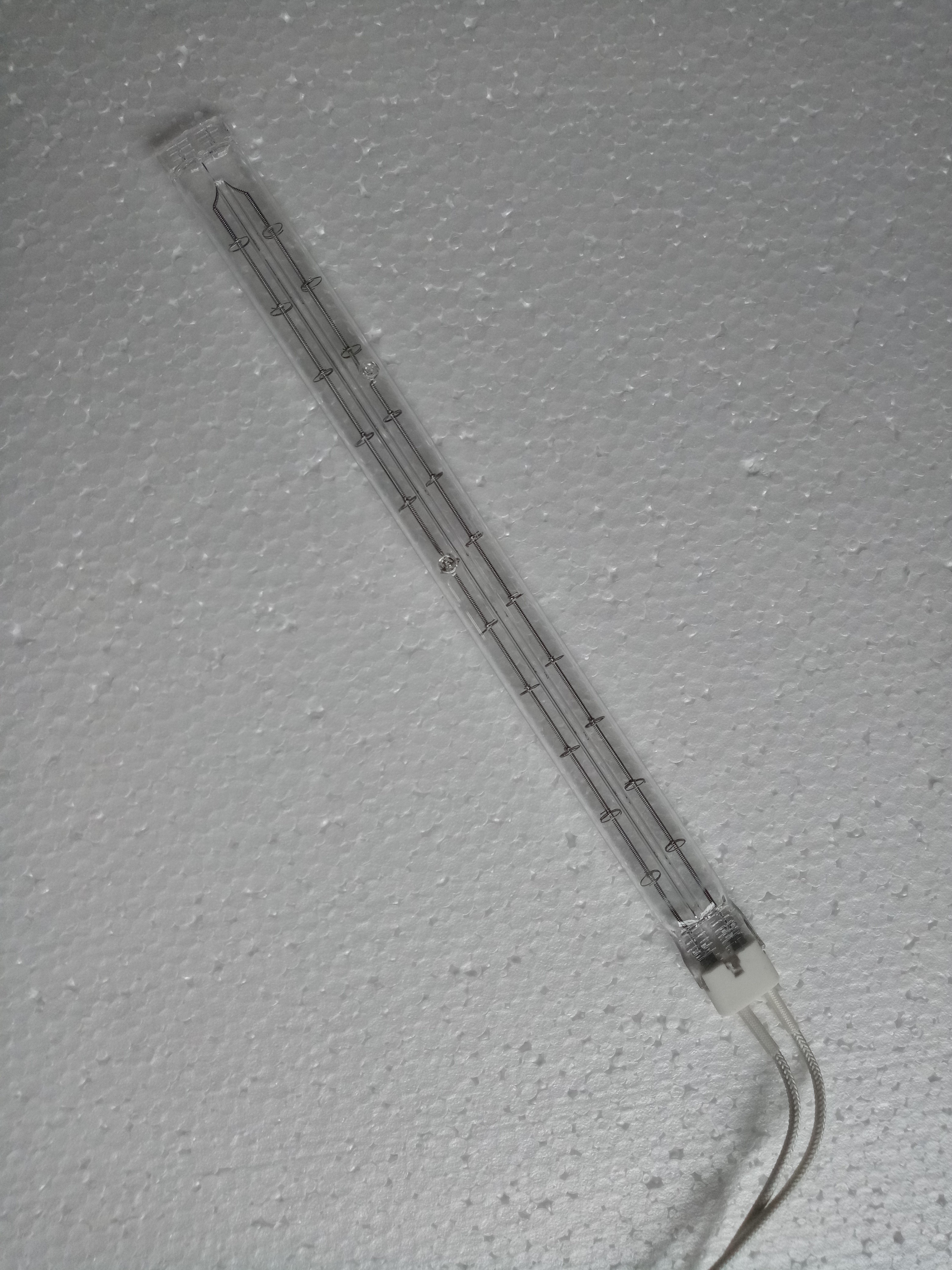
6. The outer casing can be constructed from various types of quartz glass, including clear quartz, ruby-tinted quartz, or twin-bore (twin-tube) quartz, and can be shaped into U-forms, circles, pear shapes, or racket-like configurations.
High-intensity infrared radiation heating technology is now utilized across a wide range of industries—including coating, printing, packaging, plastics processing, textile printing and dyeing, food processing, timber drying, chemical and pharmaceutical manufacturing, and heat treatment—wherever heating processes are required. 1 Drying of paints and printing inks
2 Softening and melting of plastics
3 PETP bottle blowing (including secondary blow molding)
4 Heating for saunas, hotels, cafés, exhibition halls, homes, etc.
5 Drying of wood prior to painting; specialized near-infrared and far-infrared heating lamps for footwear manufacturing machinery
6 Industrial drying ovens
7 Infrared heating lamps for automotive paint-curing booths
8 Heating and keeping food warm
9 Paper drying in paper mills
- FAQ -
Are you a trading company or a manufacturer ?
We are manufacturer. Every month, we do a procurement for a massive number of steel material from Chinese state owned mill. The total value of steel processing equipment is more than 30 million dollars. Our major products cover all category of steel industry, and it is totally compatible to all kind of world steel standard.
Do you have large amount of steel products in stock ?
Yes, we do. In large-scale indoor warehouses, the total stock value is over 150 millions dollar. Do you provide the samples ? Free or Extra ? It is free, depend on the value of the sample. The cost of the freight would be charge.
How long is the delivery time ?
Officially, it is within 7 days. Actually, we can deliver within 3 days. Customized products or non-standard size products would be taken 10-30 days to deliver, depend on the production cycle. Generally, most of the products finished and delivered within 20 days.
- GET IN TOUCH -
- PRODUCT RECOMMENDATION -
 High-pressure mercury lampLearn More
 Short-wave tungsten-filament infrared heating tube with a white-coated half-surfaceLearn More
 Infrared heating tube with dual-bore tungsten filament and partial white coatingLearn More
 Gold-coated, twin-tube, short-wave tungsten-filament infrared heating lampLearn More
 Edgebander glue pot preheating indicator lightLearn More
 Ruby Short-Wave Tungsten-Filament Infrared Heating TubeLearn More
 Ruby U-shaped short-wave tungsten-filament infrared heating tubeLearn More
 Metal-plate type short-wave tungsten-filament infrared heating tubeLearn More
 Integrated dual-bore short-wave tungsten-filament infrared heating tubeLearn More