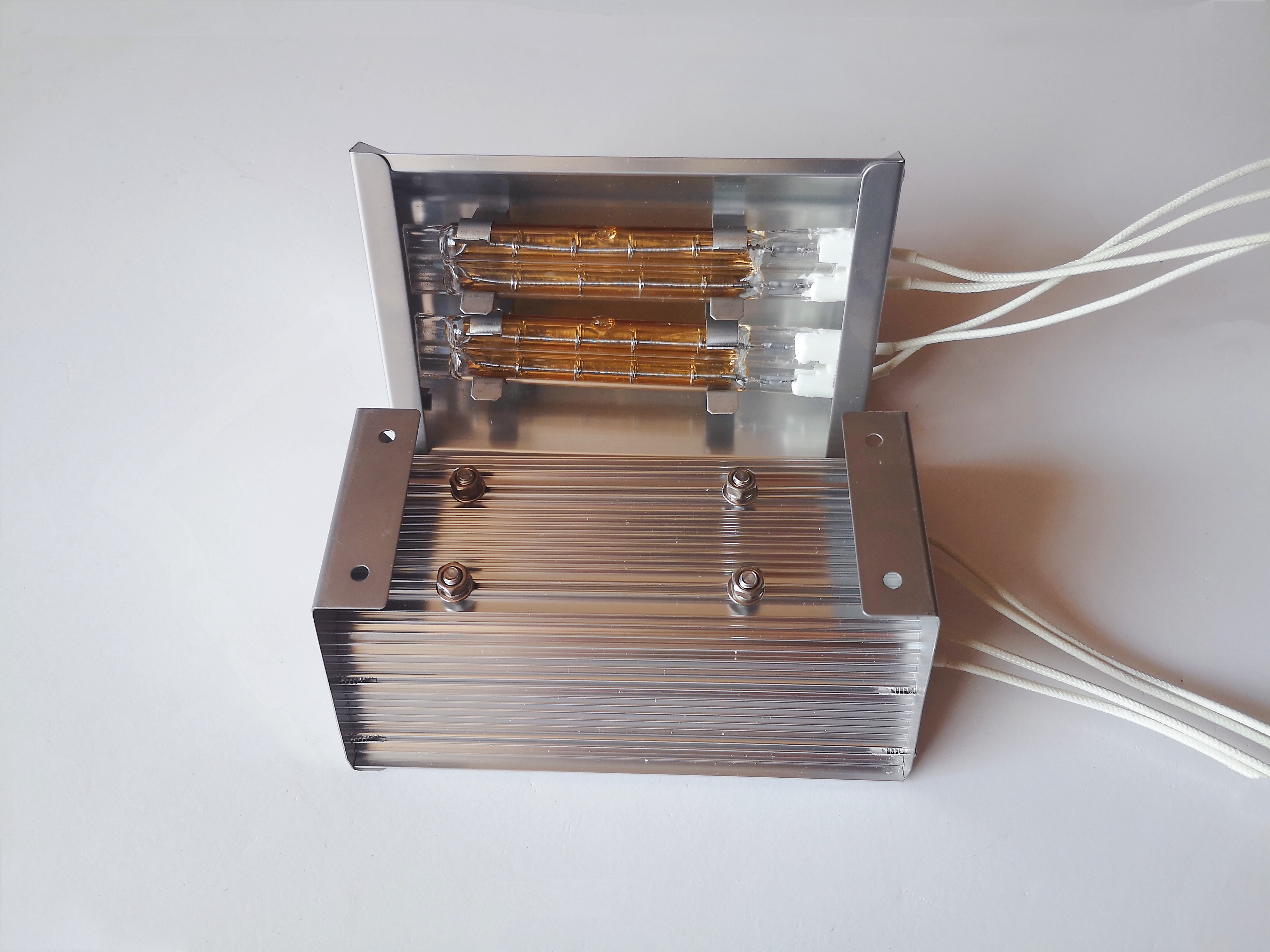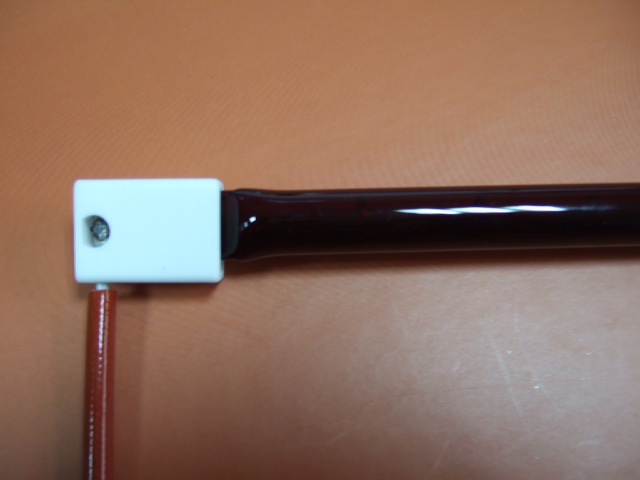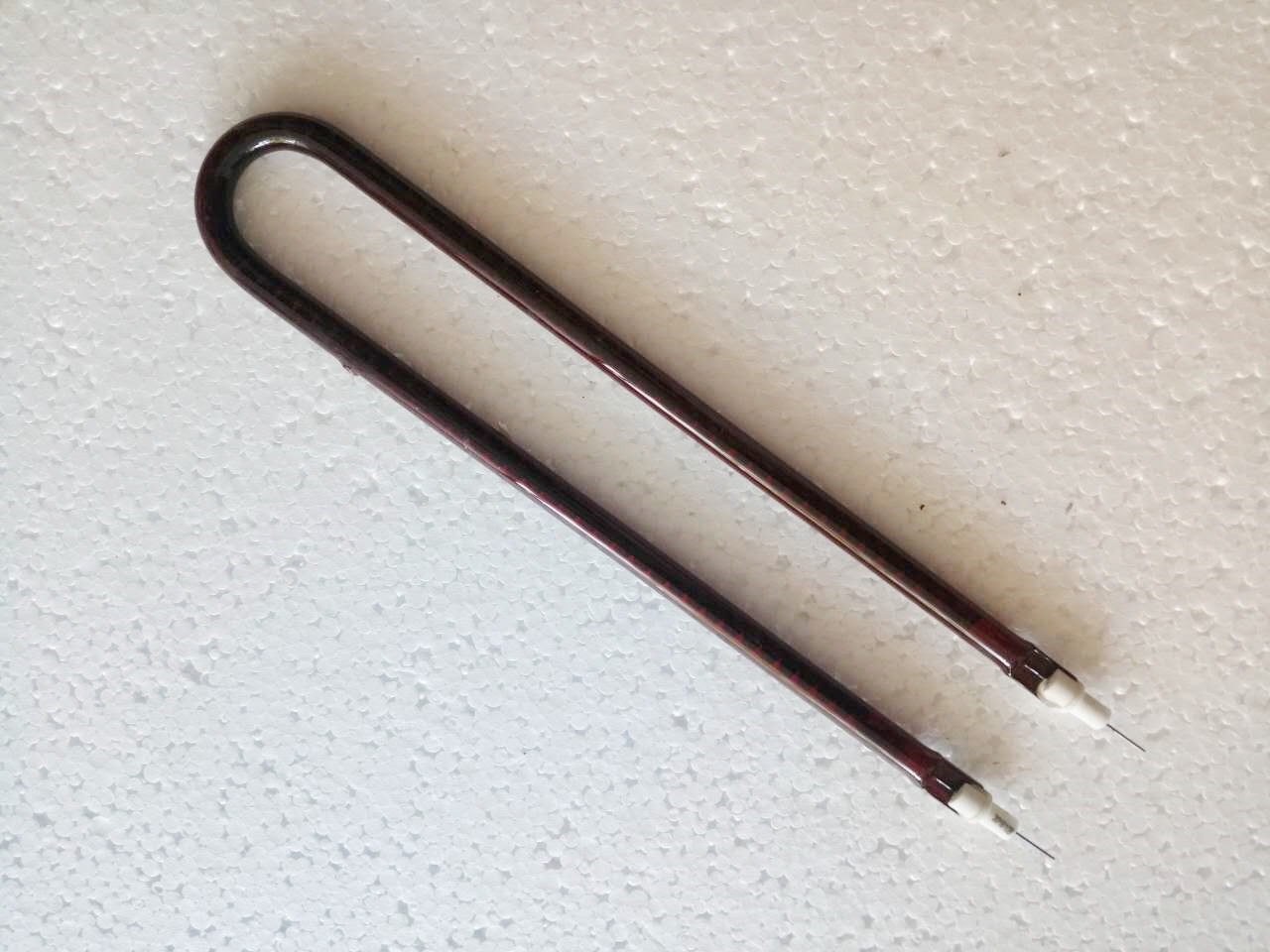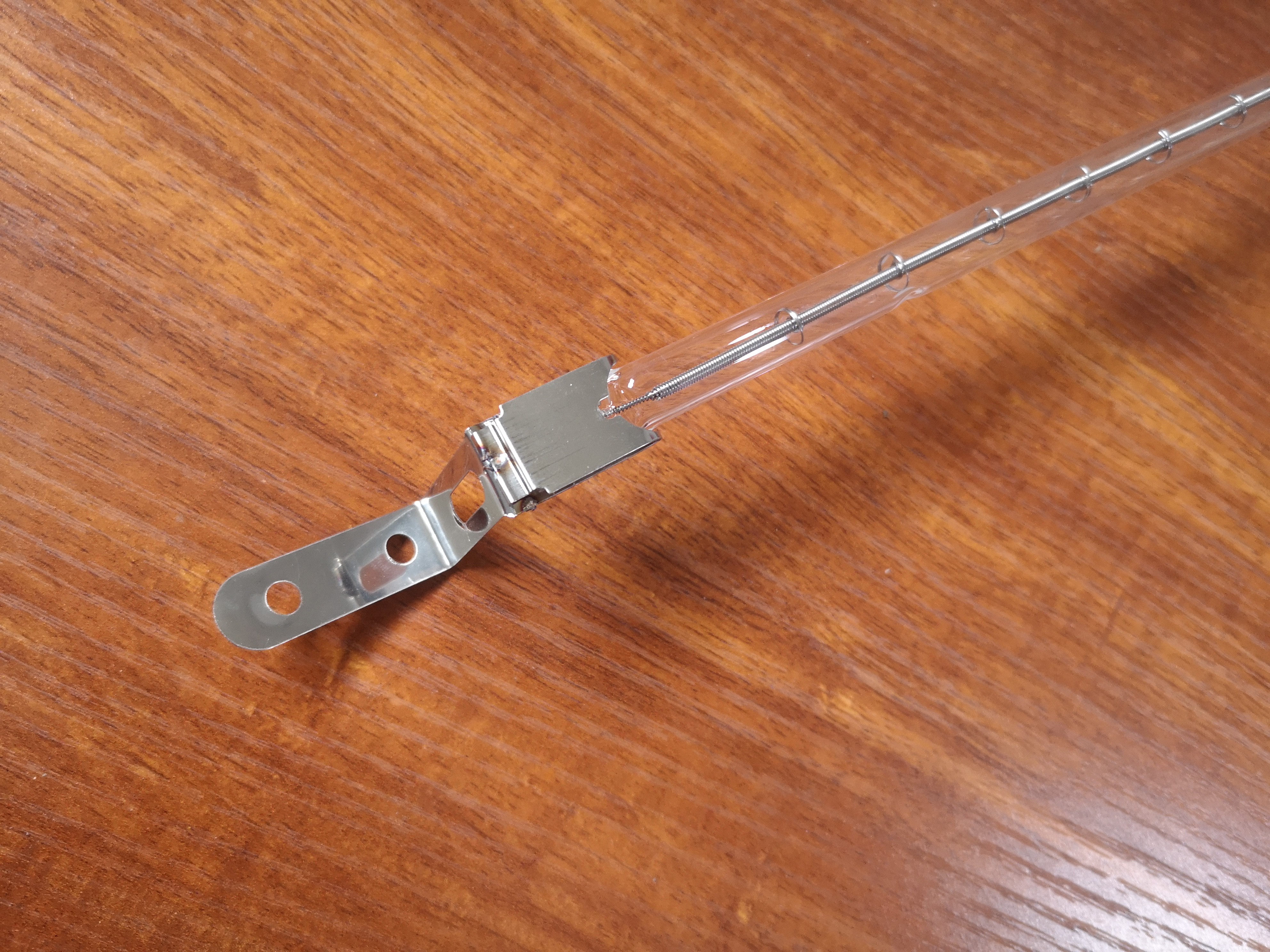
- PRODUCT PARAMETERS -
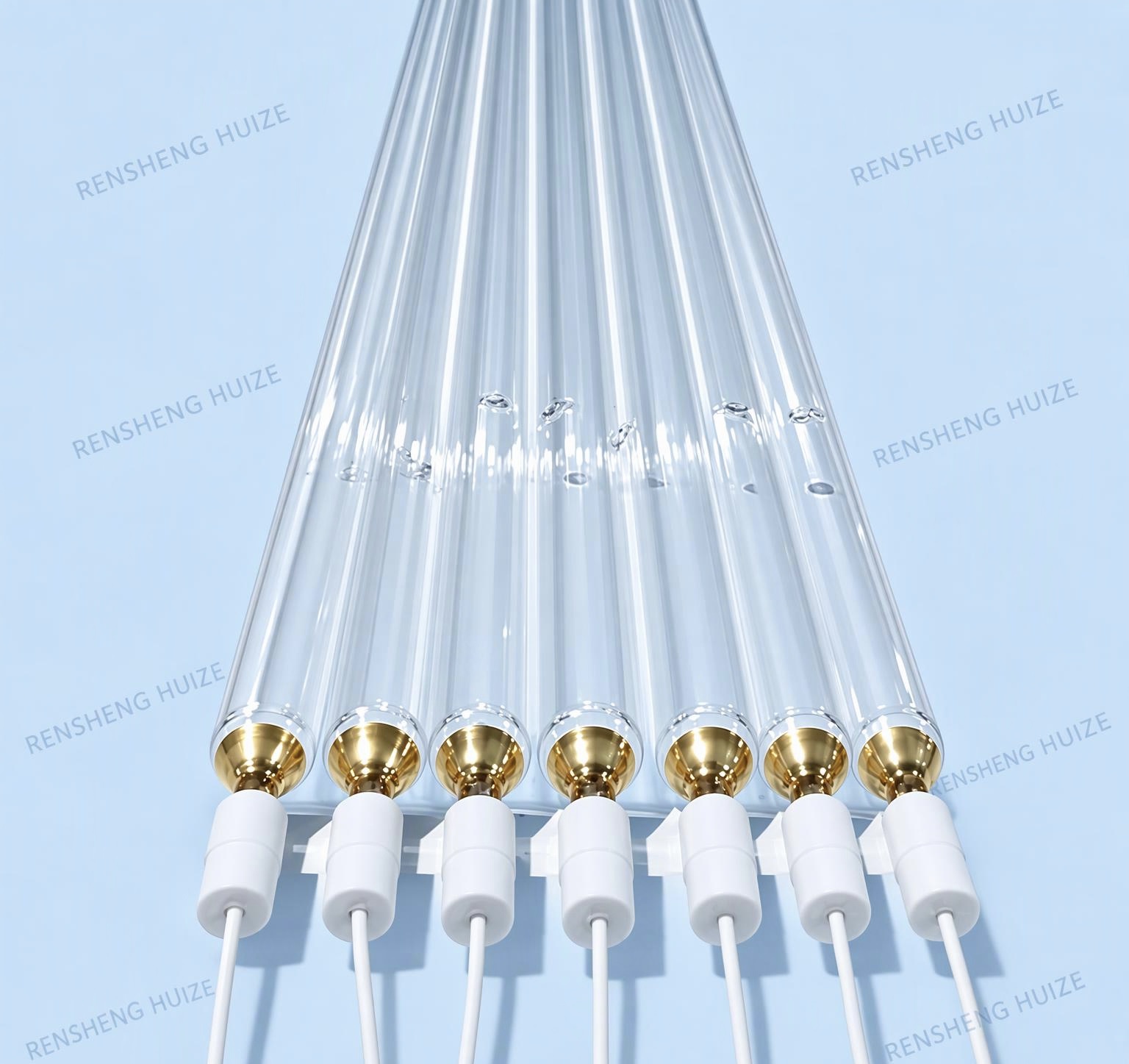
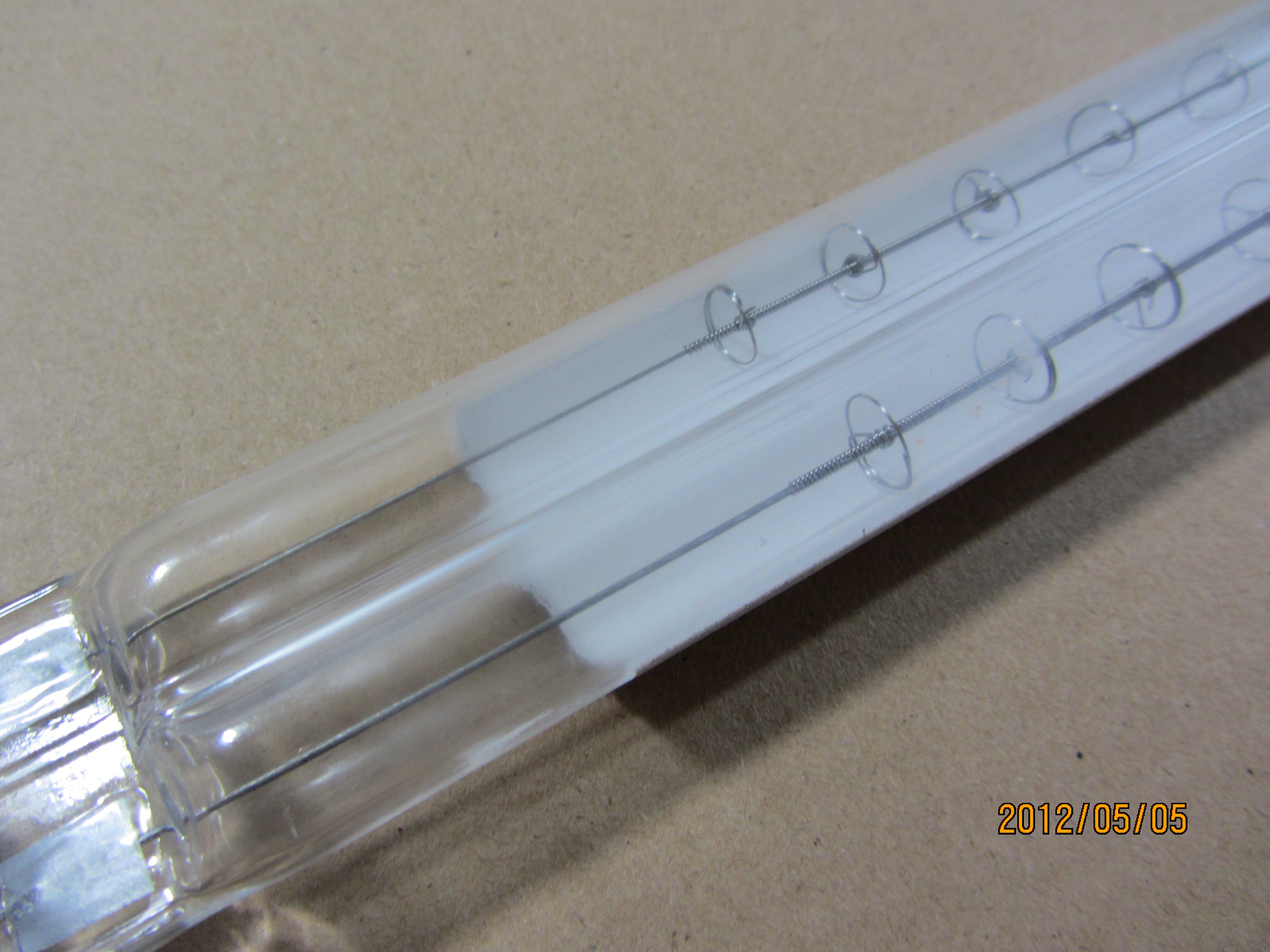
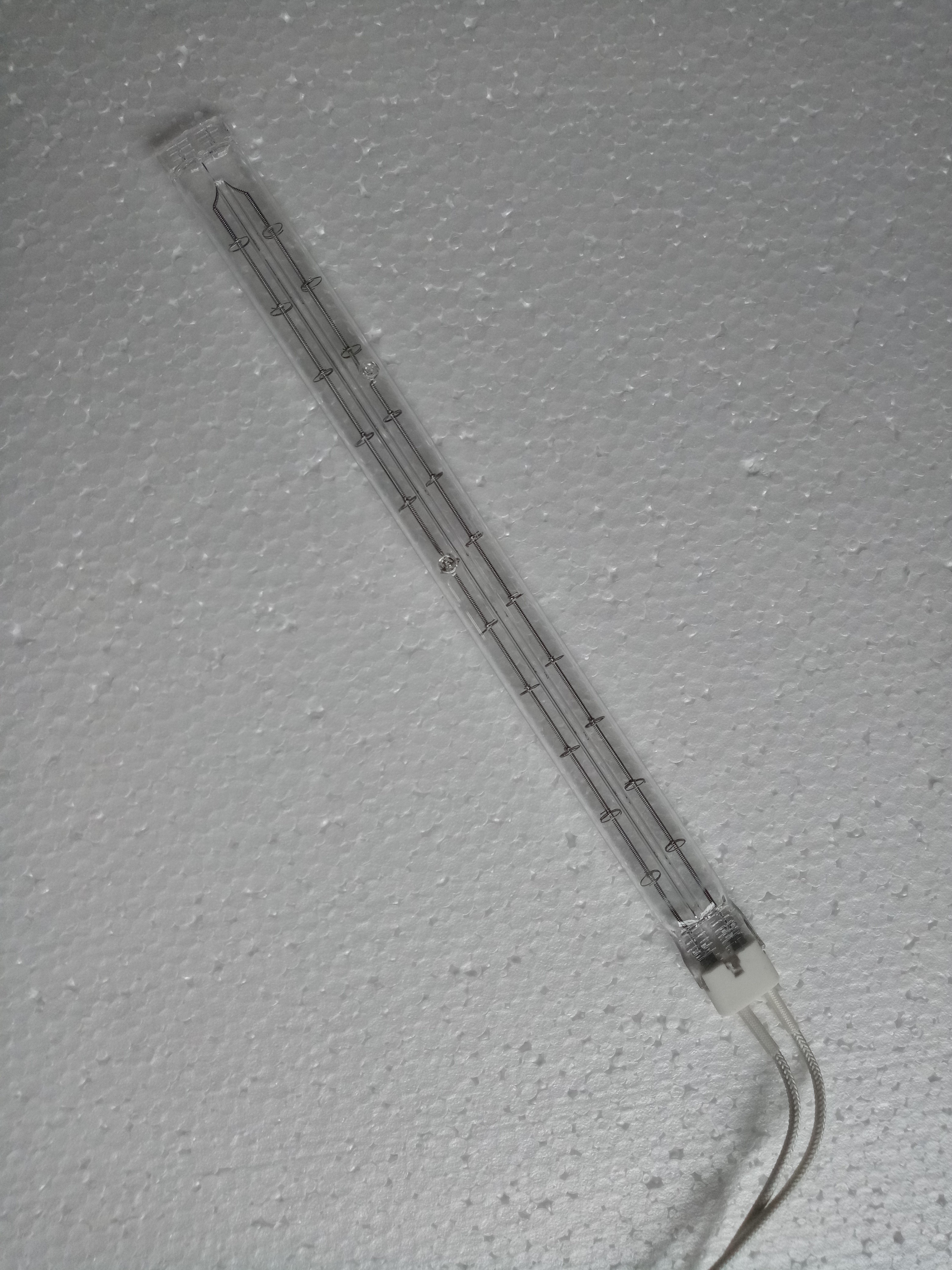
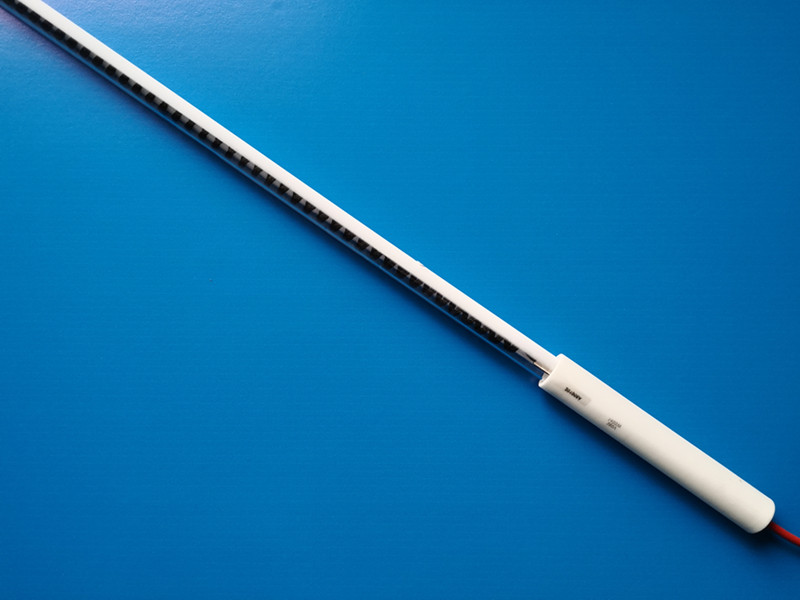
Carbon fiber infrared heating tubes (referred to as "carbon fiber heating tubes") represent a new type of infrared heating technology. They utilize a non-metallic carbon fiber filament (polyacrylonitrile-based)—containing at least 95% carbon—as the heating element, suspended within a sealed, vacuum-filled quartz glass tube. When energized, the filament emits infrared radiant heat. This technology is fundamentally different from heating elements based on metals such as nickel-chromium, iron-chromium, tungsten, or molybdenum. Key advantages include rapid heating, high electro-thermal conversion efficiency, a high ratio of radiant energy, and eco-friendly, pollution-free operation.
The products comply with the following standards: GB/T 2423.3-1993 (Environmental testing for electrical and electronic products – Part 2: Test Ca: Damp heat, steady state); and GB 4706.1-1992 (Safety of household and similar electrical appliances – General requirements). Manufacturing adheres to GB/T 4654-2008 (General technical specifications for non-metallic infrared radiant heaters), while testing is conducted in accordance with GB/T 7287-2008 (Test methods for infrared radiant heaters).
II. Product Features
1. Rapid heating (3-second warm-up): Start-up and shut-down times are only 2–3 seconds.
2. High electro-thermal conversion efficiency; no inrush current upon start-up.
2.1 High electro-thermal conversion efficiency (low luminous flux)
The carbon fiber filament acts as a "black body" material with a carbon content of ≥95%. During the electro-thermal conversion process, the luminous flux (visible light output) is extremely low—consisting primarily of red light—while the electro-thermal conversion efficiency exceeds 95%.
Table 1: Comparison of luminous flux between carbon fiber infrared heating tubes and halogen-tungsten infrared heating tubes.
2.2 No Inrush Current Upon Startup
When a carbon fiber heating tube is powered on, the initial inrush current is only 70% of its rated current, which reduces the load on the electrical circuit. In high-power applications, this helps lower equipment investment costs and effectively extends the service life of electrical components. In contrast, heating tubes based on tungsten or nickel-chromium filaments exhibit an inrush current exceeding three times their rated current; this places a heavy load on electrical components and leads to higher maintenance costs.
2.3 Comparison of Thermal Conductivity Between Carbon Fiber Materials and Metallic Materials
Table 3: Comparison of Thermal Conductivity Between Carbon Fiber Materials and Metallic Materials
3. High infrared thermal radiation improves production efficiency and workpiece quality
3.1 Heat transfer in carbon fiber heating tubes occurs primarily through thermal radiation
3.1.1 Lattice vibration waves (efficient thermal energy transfer)
Carbon fiber consists of a crystalline structure with carbon atoms arranged in a regular pattern. These atoms are not stationary; instead, they vibrate continuously around their respective equilibrium positions. This vibration propagates throughout the structure in the form of waves—known as "lattice vibration waves." The fundamental function of these waves is the highly efficient transfer of energy. In simple terms, they rapidly convert electrical energy into thermal energy, which is then efficiently radiated as infrared rays to deliver energy to the target.
3.1.2 Average electrical-to-thermal radiation conversion efficiency ≥ 65%
Carbon fiber heating tubes achieve an average electrical-to-thermal radiation conversion efficiency of over 65%. Heat transfer is dominated by thermal radiation—a rate significantly higher than the 30% efficiency typically seen in metallic heating elements, such as iron-chromium-aluminum or nickel-chromium alloys.
3.2 Strong infrared penetration, rapid drying, and high-quality drying results
Infrared radiation possesses a degree of penetrative power, enabling heating from the inside out and ensuring uniform temperature throughout the material. This direct method of thermal radiation minimizes resistance caused by the surrounding air, allowing for a rapid increase in the object's temperature, which reduces energy consumption and shortens heating times. When drying paint or other coatings, this process prevents defects such as bubbles or wrinkles; the resulting surfaces exhibit a brilliant gloss, superior adhesion, and enhanced corrosion resistance.
3.4 Wavelengths align well with the absorption spectra of most materials
3.4.1 Concentrated peak wavelengths
The infrared output of carbon fiber heating tubes spans a range of 2.5–15 microns, with peak wavelengths concentrated between 3–4 microns and 5–6 microns. This falls within the medium-wave infrared (often referred to as far-infrared) spectrum—a range that aligns with the absorption requirements of most industrial heating applications, enabling more efficient energy transfer to the heated object.
Table 4: Absorption Wavelength Bands for Common Products (micrometers)
Therefore, for most industrial drying, curing, and heating applications—involving substances such as water, paints, powder coatings, oils and greases, tea, carbohydrates, and textiles—the optimal absorption wavelength range is 3–4 microns.
Many components in food exhibit strong absorption in the 3–6 μm infrared range; consequently, infrared heating is frequently employed in food processing. Carbon-fiber infrared heating tubes not only facilitate rapid dehydration and drying of food products but also provide effective sterilization. Infrared sterilization is widely utilized in machinery for the dairy and soy-based food industries.
Experimental evidence (1) indicates that the use of infrared heating can reduce drying times by 20%–30% for powder coatings, and by 20%–40% for water-based and solvent-based paints.
4. Eco-friendly, Healthy, and Gentle Infrared Radiation
There is no light pollution; the infrared emission is gentle, causing neither eye irritation nor skin burns. It produces no ultraviolet (UV) radiation, harmful gases, or high-frequency electromagnetic radiation. Furthermore, the emitted infrared rays can promote blood circulation, reduce inflammation, and provide sterilization—properties often leveraged in physical therapy and healthcare devices.
5. Safety and Corrosion Resistance
5.1 Excellent Electrical Insulation
The electrical resistance of quartz glass is 10,000 times that of ordinary glass, making it an exceptional electrical insulator that maintains superior electrical properties even at high temperatures.
5.2 Corrosion Resistance
With the exception of hydrofluoric acid, quartz glass is virtually inert to chemical reactions with other acids. Its acid resistance is 30 times greater than that of ceramics and 150 times greater than that of stainless steel.
5.3 Resistance to Thermal Shock
The product is encapsulated in high-purity, dehydroxylated quartz glass, which possesses an extremely low coefficient of thermal expansion (only 5.6 × 10⁻⁷). This allows it to withstand drastic temperature fluctuations; for instance, quartz glass heated to approximately 1100°C will not shatter when plunged into room-temperature water, demonstrating exceptional thermal stability. 6. Long service life with no power degradation
6.1 Carbon fiber heating tubes have an average service life of over 6,000 hours (with a minimum warranty of one year).
6.2 The heating element does not deform during long-term use, and there is no degradation in power output.
III. Key Technical Parameters of Carbon Fiber Infrared Heating Tubes
Table 5: Standard Technical Parameters for Carbon Fiber Infrared Heating Tubes
III. Directional Thermal Radiation
1. Metal Reflectors
Equipping an infrared carbon fiber heating tube with an aluminum or stainless steel reflector (in a trapezoidal or parabolic shape) enhances directional thermal radiation, increasing thermal reflection efficiency by over 60–70%.
2. 180° Surface Coating (Partial Coating)
2.1 Applying a coating to 180° of the carbon fiber heating tube’s outer surface improves the efficiency of directional thermal radiation.
2.2 Two types of coating materials are available: a white reflective coating and a gold reflective coating.
2.3 Coated Heating Tubes
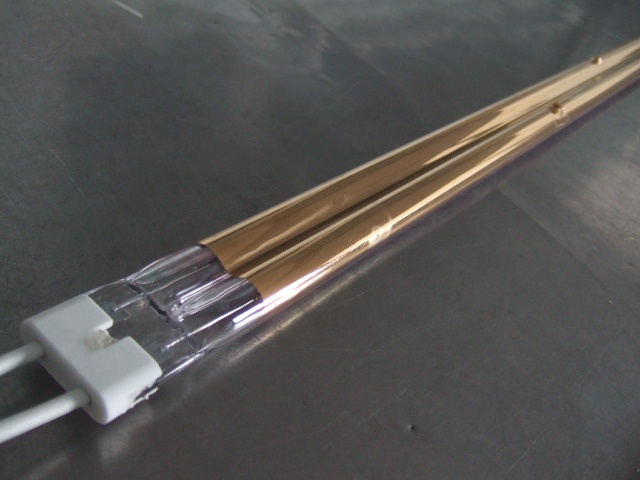
2.3.1 Gold-Coated (Half-Coated) Heating Tubes
The coating consists of a gold-alloy reflective layer, applied via an alkaline alloy electroplating process; it provides specular (mirror-like) reflection.
Advantages:
① High directional thermal radiation, with a reflectivity of ≥90%—significantly higher than that of aluminum plating or vacuum-deposited aluminum films.
② Resistant to moisture and high temperatures (the coated surface can withstand operating temperatures of up to 650°C).
③ Resistant to oxidation and corrosion. Disadvantage: Cost. High production costs, resulting in a high price point.
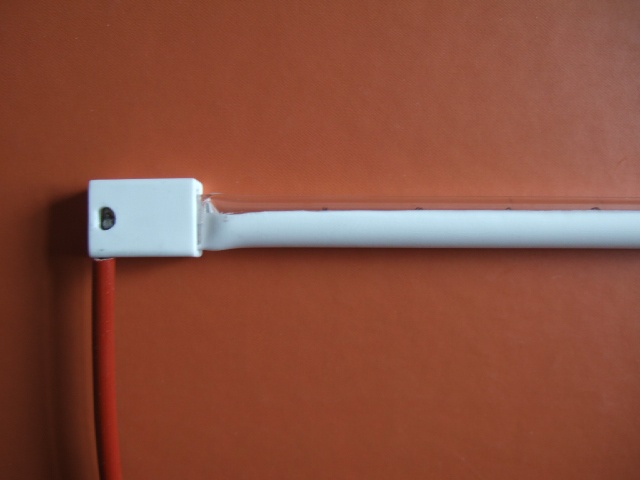
2.3.2 Carbon Fiber Heating Tube with Partial White-Coated Surface
Coating material: High-temperature oxidation-resistant ceramic infrared-reflective coating solution; provides diffuse reflection.
Advantages: ① Average reflection efficiency ≥70%; high-temperature resistance (the coating can withstand ambient operating temperatures of up to 1000°C).
② Chemically stable with a high level of operational safety (no heavy metal leaching). ③ Significantly lower cost compared to gold-plated coatings.
IV. Forms of Carbon Fiber Heating Elements
1. Heating element formed by braiding multiple strands (3–17) of carbon fiber filaments into a ribbon, which is then shaped into a spiral configuration using a specialized process.
2. Heating element formed by braiding multiple strands (10–24) of carbon fiber filaments into a cylindrical shape.
Advantages: Better surface temperature uniformity compared to spiral-shaped heating elements. Disadvantages: Limited range of specifications.
V. Common Product Applications (Industries where our infrared heating tubes are currently used)
1. Drying and Curing of Coatings
Used in a wide range of industrial thermal processes: drying and curing coatings, forming, pressing, laminating, bonding, welding, baking, heating, temperature elevation, preheating, and sterilization.
Coatings applied to substrates such as metal, plastic, glass, wood, or ceramics—whether in 2D or 3D forms—are integral to countless industrial production processes. Whether dealing with paints, pigments, or adhesives, these coatings require thorough drying and curing. This includes the drying of water-based coatings, as well as the fusion and curing of powder coatings. Infrared thermal radiators are highly effective for drying water-based wet coatings and can significantly reduce the time required for softening powder coatings. Common applications include:
1.1 Curing of Inks, Paints, and Coatings
Application scenarios: Paper printing, metal painting, furniture lacquering, automotive painting, powder coating curing, and preheating prior to UV curing. Function: Rapid moisture removal and coating curing.
Advantages: 3–5 times faster than hot-air drying.
Prevents surface skinning and blistering; ensures strong film adhesion and excellent gloss.
Well-suited for continuous assembly-line production.
1.2 Lamination, Composite Processing, and Hot Stamping
Applications: Thermal lamination of packaging films, flooring, and home appliance panels.
Function: Heats the adhesive layer to create a stronger bond between materials.
1.3 Textiles, Printing, Dyeing, and Non-woven Fabrics
Applications: Drying of printed materials and fabrics, heat-setting, and shrinkage control.
Advantages: Uniform heating; superior color adhesion; prevents fabric deformation and yellowing.
Ideal for high-speed printing and dyeing lines; enhances production capacity and quality, increasing efficiency by 30–50% or more.
1.4 Paper, Paperboard, and Gypsum Board Drying
Timber drying and paint curing (e.g., for wooden furniture and handicrafts).
Characteristics: Rapid surface drying; minimizes the risk of deformation or cracking.
2. Plastics: Used in molding, pressing, lamination, deep drawing, and welding. Infrared heating can be used to cure thermosetting plastics or heat thermoplastics prior to welding, molding, or reshaping. Common application scenarios include:
2.1 PET Blow Molding Machines / Preform Heating
Applications: Production of plastic bottles for mineral water, beverages, cooking oil, etc.
Function: Rapid and uniform heating of preforms to soften the material for blow molding.
Advantages: Fast heating; 20%–40% more energy-efficient than traditional heating methods.
Uniform heating ensures consistent wall thickness and a low rejection rate.
Precise temperature control; suitable for high-speed production lines.
Typical Wavelengths: Medium-wave infrared / Short-wave infrared.
2.2 Injection Molding Machines / Extruders / Wire-Drawing Machines
Applications: Melting plastic pellets, pipe extrusion, and plastic wire/filament drawing.
Function: Provides auxiliary heating and thermal insulation for barrels, molds, and sheets.
Advantages: Non-contact heating; no contamination of raw materials.
High thermal efficiency; reduces the load on the main equipment.
Extends the service life of heating bands and reduces maintenance requirements.
2.3 Bending of plastic sheets (PVC/PP/PE/ABS) and acrylic (PMMA) sheets.
Strong infrared penetration heats material from the inside out, ensuring uniform, deep heating.
Prevents whitening, cracking, or yellowing during the bending process.
Increases efficiency by over 20%; ensures high bending precision, resulting in clear, smooth, and flat finished products.
3. Infrared radiators for the automotive industry: Heat treatment processes, including heating, drying, curing, welding, bonding, lamination, and deburring.
4. Food processing (e.g., processing chocolate, filling pralines, or heating the surface of food products). 4.1 Food and Agricultural Product Processing
4.1.1. Food Baking and Sterilization
Applications: Baking of bread, biscuits, and meat products.
Features: Infrared radiation penetrates from the inside out, heating the product simultaneously throughout. This ensures excellent texture, high efficiency, and the preservation of nutrients and freshness.
For meat products (such as skewers or sliced meat), the process can cook food in as little as 2 minutes, reducing wait times. It keeps the meat tender without charring, locks in freshness and flavor, effectively removes excess fat, and ensures a tender, non-greasy result.
Widely used in equipment such as electric barbecue grills for meat skewers, rotisserie ovens for poultry (chicken/duck), biscuit production lines, and electric kettles.
4.1.2. Drying of Traditional Chinese Medicinal Herbs, Fruits, Vegetables, and Aquatic Products
Applications: Drying of ginseng, goji berries, red dates, Chinese yam, mushrooms/fungi, and fish fillets.
Advantages: Rapid drying that preserves both nutritional content and natural color.
Low-temperature drying prevents the degradation of medicinal properties, while far-infrared radiation provides an auxiliary sterilization effect.
4.1.3. De-enzyming (Fixation), Drying, and Aroma Enhancement of Tea Leaves and Leafy Vegetables
Applications: Production lines for the de-enzyming and drying of tea leaves or other leafy produce.
Advantages: Increases efficiency by over 20% compared to traditional heating methods, enabling a one-stop process for de-enzyming, drying, and aroma enhancement.
Rapidly deactivates enzymes, locks in freshness and green color, results in a compact leaf structure, and ensures uniform coloration.
Highly efficient aroma enhancement—reducing processing time by 30% compared to hot-air methods, with optimal results achieved in just 30 minutes.
Provides uniform drying and consistent moisture content, ensuring long-term storage stability without flavor degradation.
Removes astringency while enhancing mellow notes, resulting in a smoother, more pleasant taste.
5. Infrared Thermal Processing in the Glass Industry: Used for drying screen-printed designs on automotive glass, cutting laminated (composite) glass, or setting mirrors—many glass manufacturing and processing workflows require thermal energy. 5.1 Glass, Automotive, and Photovoltaic Industries
Glass annealing, tempering, coating drying, screen printing, decorative (colored/patterned) glass processing, and spray coating;
Production of automotive glass, architectural glass, and photovoltaic glass; adhesive curing for insulated glass units (IGUs);
Functions: Eliminating internal stress, increasing strength, and drying coatings. Infrared heating tubes offer precise temperature control and uniform radiant heating.
5.2 Automotive Parts Drying: Drying of automotive lighting, interior components, and painted bumpers.
6. Industrial Heating, HVAC, and Drying Facilities
Heating for large workshops, agricultural facilities (poultry brooding, piglet warming), drying rooms, and greenhouses.
Features: Instant heating upon activation; draft-free operation; no dust circulation; does not consume oxygen; provides high comfort levels.
7. Medical, Physiotherapy, and Wellness Equipment (Infrared Saunas/Light-Wave Rooms)
Infrared physiotherapy lamps, moxibustion devices, and wellness equipment (light-wave rooms/saunas).
Utilizes the thermal effects of far-infrared radiation to promote blood circulation and alleviate pain.
8. Heating Appliances: Electric heating boilers, various infrared heaters, fan heaters, and infrared bathroom heaters (integrated ceiling-mounted units).
Applications: Electric boilers for hydronic heating, aquarium heaters, auxiliary heating for solar water tanks, storage-type electric water heaters, radiant heaters, oil-filled radiators, etc.
VI. Carbon-fiber infrared heating tubes are widely used in the following industrial sectors:
VII. Installation Precautions
1. The heating element can be installed horizontally, at an incline, or vertically. For vertical installation, it is recommended to use a heating element equipped with a support structure.
2. Use an aluminum or stainless steel reflector—either flat or parabolic—to improve the efficiency of radiant heat utilization. Our factory can provide custom fabrication for these reflectors.
3. Avoid subjecting the unit to intense vibration or shaking.
4. The optimal distance between the heating element and the object being heated is 100–450 mm, depending on the specific characteristics of the item being dried.
5. Quartz heating elements are made of brittle material. Exercise caution during installation and operation; implement appropriate protective measures based on the specific nature of the object being heated to prevent mechanical damage.
- FAQ -
Are you a trading company or a manufacturer ?
We are manufacturer. Every month, we do a procurement for a massive number of steel material from Chinese state owned mill. The total value of steel processing equipment is more than 30 million dollars. Our major products cover all category of steel industry, and it is totally compatible to all kind of world steel standard.
Do you have large amount of steel products in stock ?
Yes, we do. In large-scale indoor warehouses, the total stock value is over 150 millions dollar. Do you provide the samples ? Free or Extra ? It is free, depend on the value of the sample. The cost of the freight would be charge.
How long is the delivery time ?
Officially, it is within 7 days. Actually, we can deliver within 3 days. Customized products or non-standard size products would be taken 10-30 days to deliver, depend on the production cycle. Generally, most of the products finished and delivered within 20 days.
- GET IN TOUCH -
- PRODUCT RECOMMENDATION -
 High-pressure mercury lampLearn More
 Short-wave tungsten-filament infrared heating tube with a white-coated half-surfaceLearn More
 Infrared heating tube with dual-bore tungsten filament and partial white coatingLearn More
 Gold-coated, twin-tube, short-wave tungsten-filament infrared heating lampLearn More
 Edgebander glue pot preheating indicator lightLearn More
 Ruby Short-Wave Tungsten-Filament Infrared Heating TubeLearn More
 Ruby U-shaped short-wave tungsten-filament infrared heating tubeLearn More
 Metal-plate type short-wave tungsten-filament infrared heating tubeLearn More
 Integrated dual-bore short-wave tungsten-filament infrared heating tubeLearn More